

Chua Soon Ping
KOTA KINABALU: The Sabah Housing and Real Estate Developers Association (SHAREDA) appreciated the proactive measures taken by the Energy Commission of Sabah (ECoS) in launching the Grid-Connected Solar Photovoltaic System for Self-Consumption in Sabah (SELCP-PV Sabah) programme.
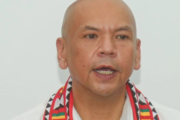
SHAREDA President Datuk Sr Chua Soon Ping commends the State Government for establishing its own Sabah Energy Commission, highlighting the significance of localised efforts over-relying on federal counterparts.
Solar Program: A Step Towards Sustainable Energy
He said ECoS’s introduction of the SELCP-PV Sabah programme is a commendable initiative, allowing the public to harness excess solar power during the day and utilise it at night, thus promoting sustainable energy practices.
“Solar power, being a renewable energy source, contrasts with non-renewable sources like gas and diesel currently used by Sabah Electricity Sdn Bhd (SESB),” he said in a statement.
Chua urges Sabah to prioritise renewable energy (RE) sources like solar, hydropower, and biomass to reduce carbon emissions.
Such initiatives not only help to reduce the electricity bills but also contribute to reducing the carbon footprint, thus resulting in a greener earth for future generations.
“The self-metering programme aligns with common practices across our country and is a timely solution for Sabah amidst the ongoing energy and water crisis,” he said.
Appeal for Incentives: Fostering Environmental Responsibility
Chua said SHAREDA is committed to motivating its members to contribute to sustainable development through the construction of green buildings equipped with solar panels and rainwater harvesting tanks.
To achieve widespread adoption of green practices, he said SHAREDA appeals to the Government to incentivise developers for green buildings and sustainable development, fostering a collective commitment towards environmental responsibility.
The effective incentives will have a significant impact in influencing the adoption of green initiatives amongst the general household and other industrial and commercial buildings, added.
“Besides this, lowering the cost of adoption can also encourage the general households to participate in these initiatives. This can be done through exemption of all taxes imposed on solar panels and water tanks.”
In light of the recent announcement of the Service Tax in Malaysia effective on March 1, 2024, the rate of service tax increased from six per cent to 8pc, SHAREDA urges the Federal Government to exempt all taxes imposed on solar panels and water harvesting tanks in Sabah.
Given the electricity and water crisis, these exemptions can catalyse the large-scale adoption of sustainable solutions, he said.
Government Leadership: Installing Solar Panels and Rainwater Harvesting
SHAREDA calls on the State Government to lead by example, installing solar panels and rainwater harvesting systems in government and GLC buildings.
Incentives for homeowners to adopt these technologies will reduce electricity and water consumption during challenging times, said Chua.
“We urge the Government to walk the talk and private sectors to complement the joint efforts to reduce water and electricity consumption to meet the shortages which we are facing right now. Also, to take the lead in implementing green practices in government, local council buildings and government-built houses. Simple steps like installing solar panels and rainwater harvesting tanks will have a significant impact on the environment in the long run,” he said.
As Sabah embraces renewable energy solutions, SHAREDA pledges its support for initiatives that promote sustainable development and environmentally conscious practices.
Chua said the association looks forward to collaborative efforts in building a greener and more resilient future for Sabah.