


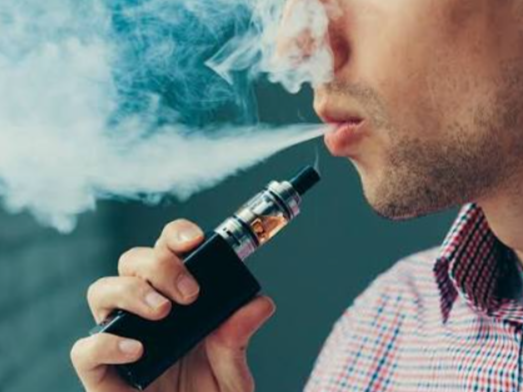
THE surge of electronic cigarettes, or vaping, has become a significant concern in Malaysia. Initially promoted as a safer alternative to traditional smoking, vaping has instead escalated into a serious public health crisis, particularly among the youth. Contrary to its harmless image, vaping exposes users to harmful chemicals, fuels nicotine addiction, and poses dangers to both public health and moral values.
One particularly tragic incident that highlights the dangers of vaping involved the death of a 24-year-old man who had been vaping for just three years. He had switched from cigarettes, believing that vaping was a safer option. However, he was diagnosed with bronchiolitis obliterans, or “popcorn lung,” a permanent and fatal scarring of the small airways caused by inhaling toxic chemicals. His story is a stark reminder: vaping can be deadly.
Associate Professor Dr Abdul Rahman Ramdzan, a public health academic at the Faculty of Medicine and Health Sciences, Universiti Malaysia Sabah, notes that many users are unaware of the hazardous substances present in vape liquids.
“When heated, the primary ingredients such as propylene glycol and glycerine can produce toxic by-products such as formaldehyde (a carcinogen), acrolein (which scars lung tissue), and pulegone (a menthol additive banned by the US FDA for causing cancer in animal studies). Heavy metals like arsenic and nitrosamines have also been detected, alongside nicotine, which is addictive and disrupts adolescent brain development,” he explained.

Dr. Abdul Rahman Ramdzan
Dr. Abdul Rahman further pointed out the dangers of second-hand exposure. The fine particles and chemicals in vape aerosols linger in the air, putting infants, children, pregnant women, and the elderly at risk.
According to the National Health and Morbidity Survey (NHMS) 2022, 14.9% of Malaysian secondary school students reported using vapes, a sharp increase from 9.8% in 2017. Alarmingly, the prevalence of vaping among teenage girls is 3.65 times higher than cigarette smoking, indicating a worrying shift toward nicotine addiction. Vape devices are widely available from retail shops, revealing significant enforcement loopholes.
In addition, the Global Adult Tobacco Survey (GATS) Malaysia reported a staggering eleven-fold rise in adult vaping, from 0.8% in 2011 to 5.8% in 2023. Even more disturbing, data from the Ministry of Health showed that over 65% of confiscated vape liquids between 2023 and 2024 contained illegal substances such as THC and synthetic drugs. This reveals that vaping has become a gateway to more serious addictions, criminal activity, and mental health issues, according to Dr. Abdul Rahman, whose research focuses on health economics, health management, and improving community health resilience.
He also noted that neighbouring countries such as Brunei, Singapore, Cambodia, and Thailand have already implemented strict bans on e-cigarettes, taking a bold stand to protect their citizens. In contrast, Malaysia has yet to introduce a nationwide ban, with only states like Johor, Kelantan, and Terengganu imposing piecemeal restrictions.
For Muslims, the fight against vaping is not only a matter of health but also of faith. Islam places great emphasis on protecting life, intellect, lineage, wealth, and religion principles enshrined in maqasid shariah. Vaping threatens all five:
- Life (Hifz al-Nafs): Vaping damages the lungs and can be fatal.
- Intellect (Hifz al-‘Aql): Nicotine and drugs impair brain function, particularly in youths.
- Lineage (Hifz al-Nasl): Female users face fertility risks and complications during pregnancy.
- Wealth (Hifz al-Mal): Money spent on vaping is wasteful and contrary to Islamic teachings.
- Religion (Hifz al-Din): Addiction leads to negligence in worship and moral decline.
Several state muftis, including those from Selangor, Penang, Terengganu, and the Federal Territories, have already declared vaping haram (prohibitted) due to its clear harms and lack of benefit. The Islamic principle of “dar’u al-mafasid muqaddam ‘ala jalb al-masalih” (preventing harm takes precedence over obtaining benefit) is directly applicable in this case.
To protect the youth, requires unity, courage and strong political will. Authorities must tighten licensing laws, close enforcement loopholes that allow vape shops to proliferate, and fully enforce the Control of Smoking Products for Public Health Act 2024. Parents, teachers, religious leaders, and civil society must work together to educate the younger generation about the dangers of vaping emphasizing that it is neither a fashionable nor harmless activity, but a trap that endangers both body and soul.
In conclusion, vaping is far from a safe alternative. It represents a serious public health threat, a social poison, and, for Muslims, a spiritual treat. Malaysia cannot afford to adopt half-measures while neighbouring countries have already banned e-cigarettes. If we aim for a healthier, more productive, and morally upright generation, decisive action must be taken. Combating vaping is not merely a health struggle, but a sacred responsibility to protect life, faith, and the future of our nation.