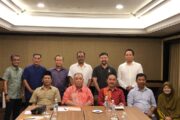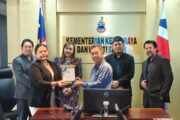


Joniston officiating the Kaamatan celebration at Kampung Romokon, Kiulu, today.
KIULU: Kiulu Assemblyman Datuk Joniston Bangkuai has urged rural villagers to continue with the tradition of working on their land to secure a consistent food supply.
He said some may prefer to continue embracing traditional farming methods to uphold their cultural heritage while ensuring food security, ultimately paving the way for a prosperous future for their communities.
Traditional farming methods also have the potential of drawing tourists interested to learn more of the farming heritage of locals to their villagers, he added.
“By valuing and investing in their land, villagers contribute to their own food security by cultivating crops and raising livestock,” he explained.
He further emphasised the importance of self-sufficiency for rural communities, as it reduces their reliance on external food sources and allows villagers to enjoy a consistent supply of meals throughout the year.
The Assistant Tourism, Culture and Environment Minister was officiating the Kaamatan celebration at Kampung Romokon here, today.
Joniston also highlighted how working on the land and engaging in agricultural activities as a community fosters strong bonds among villagers.
This collective effort, he said, not only strengthens social ties but also promotes a sense of belonging and mutual support within the community.
Joniston further said that working on the land allows villagers to contribute to local economic development.
“By selling surplus produce in local markets, they not only generate income but also stimulate the local economy. This economic empowerment strengthens rural communities, reduces poverty, and opens doors for sustainable growth,” he said.
Meanwhile, Romokon Village Development and Security Committee (JPKK) Chairman Salinung @ Linus Siniung said Romokan farmers are known for cultivating hilly paddy, vegetables, fruits, cocoa and tobacco, among other crops.
He believed that the call to action will encourage more villagers, particularly the youth, to continue cultivating the legacy land.
“While the youth may often seek employment opportunities in urban areas, we also want them to return home and continue the legacy of their forefathers.
“By doing so, we can nurture a new generation of agricultural leaders capable of addressing future challenges and contributing to a sustainable and resilient food system,” he said.