

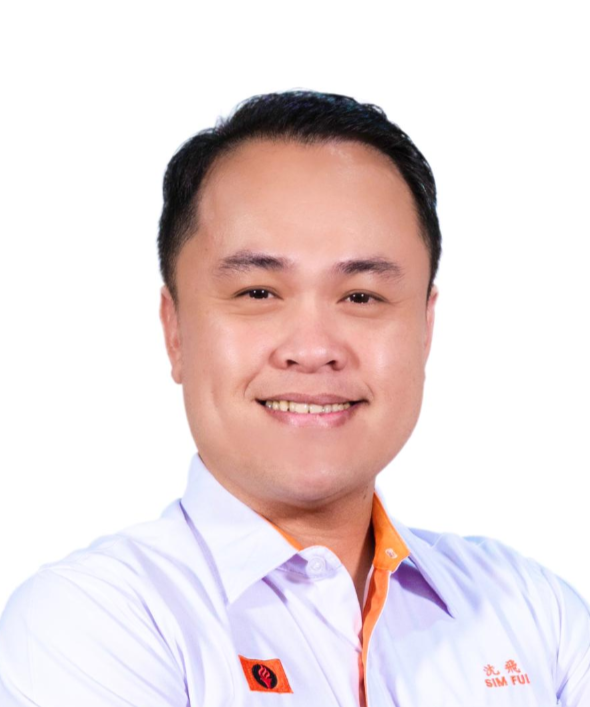
Sim Fui
KOTA KINABALU: Liberal Democratic Party (LDP) Vice President Sim Fui said the parking shortage at two government hospitals in Kota Kinabalu has exacerbated the inconvenience for patients and their families, disrupted the normal workflow of medical personnel, and even affected the efficiency and quality of medical services.
Sim emphasised that addressing the parking issue at hospitals is a critical aspect of improving healthcare services and optimizing the patient experience.
He urged the Federal Health Ministry (MoH) to take prompt action to resolve this pressing issue.
Sim analysed the causes of the parking issue at hospitals, identifying the following factors:
1. Limited land resources around hospitals: Most urban hospitals are located in densely populated areas, where the scarcity of land makes parking lot expansion challenging.
2. Increasing traffic flow: Growing healthcare demands have caused hospital parking facilities to exceed their designed capacities.
3. Inefficient parking management: Poor utilisation of parking spaces, with some spots being occupied long-term, leads to insufficient availability during peak hours.
4. Inadequate public transportation: Due to underdeveloped public transport infrastructure around hospitals, patients and their families are forced to drive.
5. Outdated planning: Initial hospital designs failed to account for future increases in vehicle usage, resulting in facilities unable to meet current demand.
Sim proposed several solutions to address the issue:
1. Expand and optimise parking facilities:
• Construct multistorey or underground parking lots to maximize land use.
• Collaborate with nearby commercial or public facilities to share parking resources and ease the pressure.
2. Implement smart parking systems:
• Install real-time parking information display systems to help drivers quickly locate available spaces.
• Introduce a parking reservation system to optimise demand through time-slot management and reduce congestion during peak periods.
3. Enhance public transportation connectivity:
• Add bus routes or shuttle services to improve accessibility between hospitals and surrounding areas.
• Offer incentives to patients and families using public transportation to discourage driving.
4. Increase parking turnover efficiency:
• Implement short-term free parking policies to encourage quick turnover of vehicles.
• Impose additional fees for long-term parking to increase space availability.
5. Promote green transportation:
• Establish secure parking for motorcycles.
• Advocate for eco-friendly practices to reduce reliance on private vehicles.
6. Redirect non-urgent patients:
• Promote a tiered healthcare system, encouraging non-emergency patients to visit clinics instead of hospitals like Queen Elizabeth Hospital (QEH II), reducing traffic and parking pressure.
Sim stressed that solving the parking shortage requires collaboration among hospitals, the government, businesses, and the public.
He called for the following actions:
• Federal Government: Formulate special policies to subsidise the expansion and optimization of hospital parking facilities and support the development of innovative smart parking solutions.
• Public: Use parking resources responsibly and minimise unnecessary vehicle entry into hospital premises.
• Hospital Management and Law Enforcement: Strengthen management and enforce traffic regulations in cooperation with police to prevent illegal parking, ensuring emergency vehicles are not delayed.
Sim believes that if the authorities can provide adequate parking spaces for patients, families and the public, drivers would not park along roadsides, which often causes traffic congestion. Hospital management can also collaborate with traffic police to strictly penalise violators, preventing delays in emergency medical care.
He strongly urged the Federal Government to address this long-standing issue affecting the public, reorganise and improve the parking shortage in all government hospitals in Sabah, and alleviate parking pressure through scientific planning and multi-stakeholder collaboration, ultimately creating a more convenient and comfortable medical environment for citizens.
Sim also affirmed that the LDP will continue to monitor this issue, urging the Government to implement relevant policies and work with various sectors to achieve the vision of high-quality medical services.