

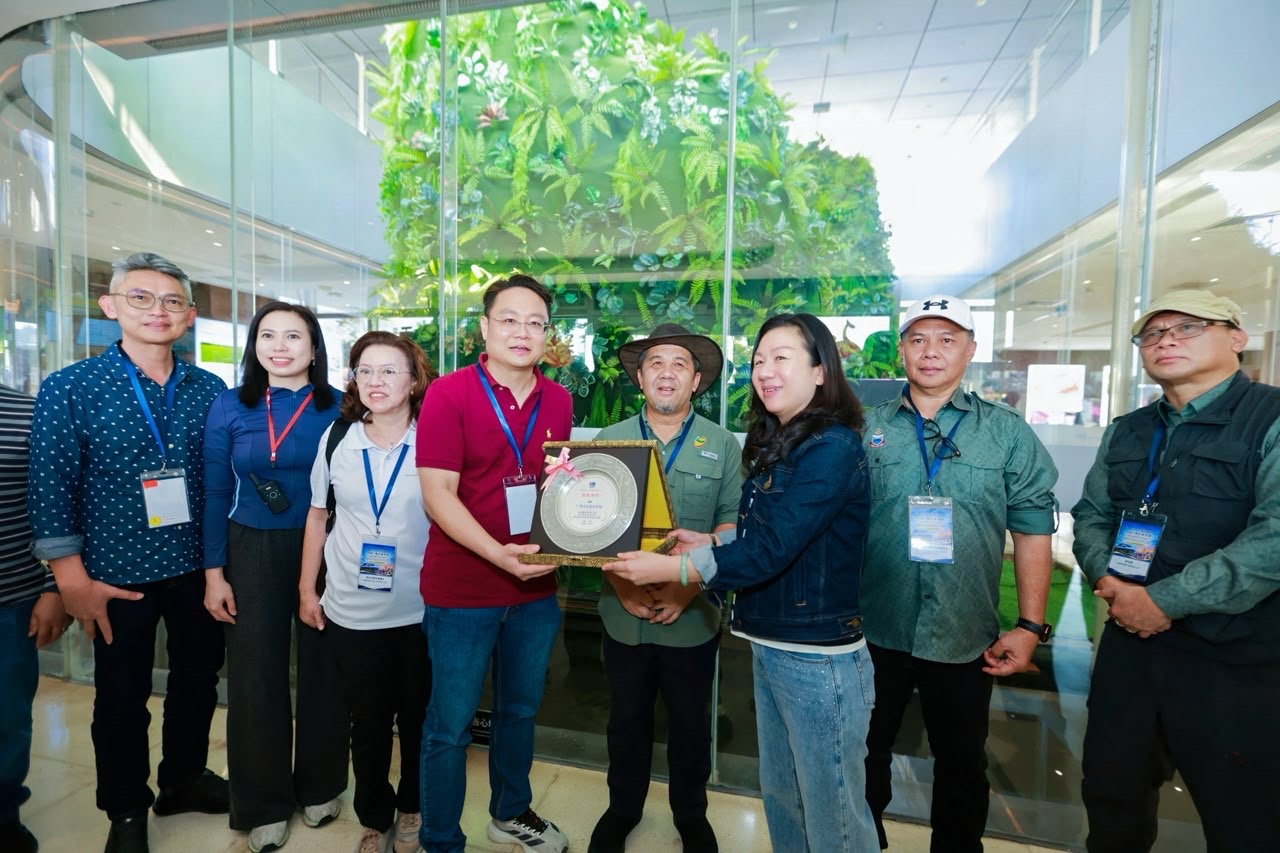
GUANGZHOU, China: Sabah can draw valuable lessons from China’s approach to agricultural industrialisation, particularly in integrating resources, identifying market opportunities and improving the profitability of agricultural products, said Malaysia-China Chamber of Commerce (MCCC) Sabah President Datuk Dexter Lau.
He said the visit to the Greater Bay Area Urban Agricultural Park had broadened his perspective on agricultural development and provided new insights into China’s approach to agricultural planning and resource integration.
Despite his extensive experience in business and corporate development, Dexter said China’s approach had offered him new ways of looking at the agricultural industry.
He said China placed strong emphasis on industrial segmentation and resource integration by incorporating the food economy, marine economy and various agricultural resources into an overall development plan to establish a more systematic industrial ecosystem.
“I appreciate China’s approach to industrial development, particularly how it segments and integrates the food economy, marine economy and various resources to identify different areas of profitability,” he said.
Dexter said agricultural development should not focus solely on production, but also take into account market demand, appropriate market positioning and effective marketing strategies.
He said businesses could unlock greater value and improve profitability by reassessing existing agricultural products and exploring ways to enhance their applications and market potential.
He added that Sabah was endowed with abundant agricultural, fisheries and food resources.
By drawing on China’s experience in industrial planning, technological applications and market development, he said, Sabah could further upgrade its agricultural sector and create more business opportunities.
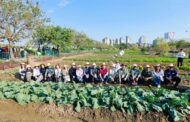
The MCCC Sabah delegation visited the Greater Bay Area Urban Agricultural Park following an earlier visit to the Nansha Fisheries Industrial Park in Guangzhou to gain insights into China’s modern agriculture, biotechnology and agricultural industrialisation, as well as explore opportunities for Malaysia-China cooperation and investment in the sector.