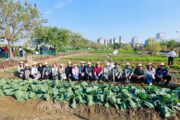


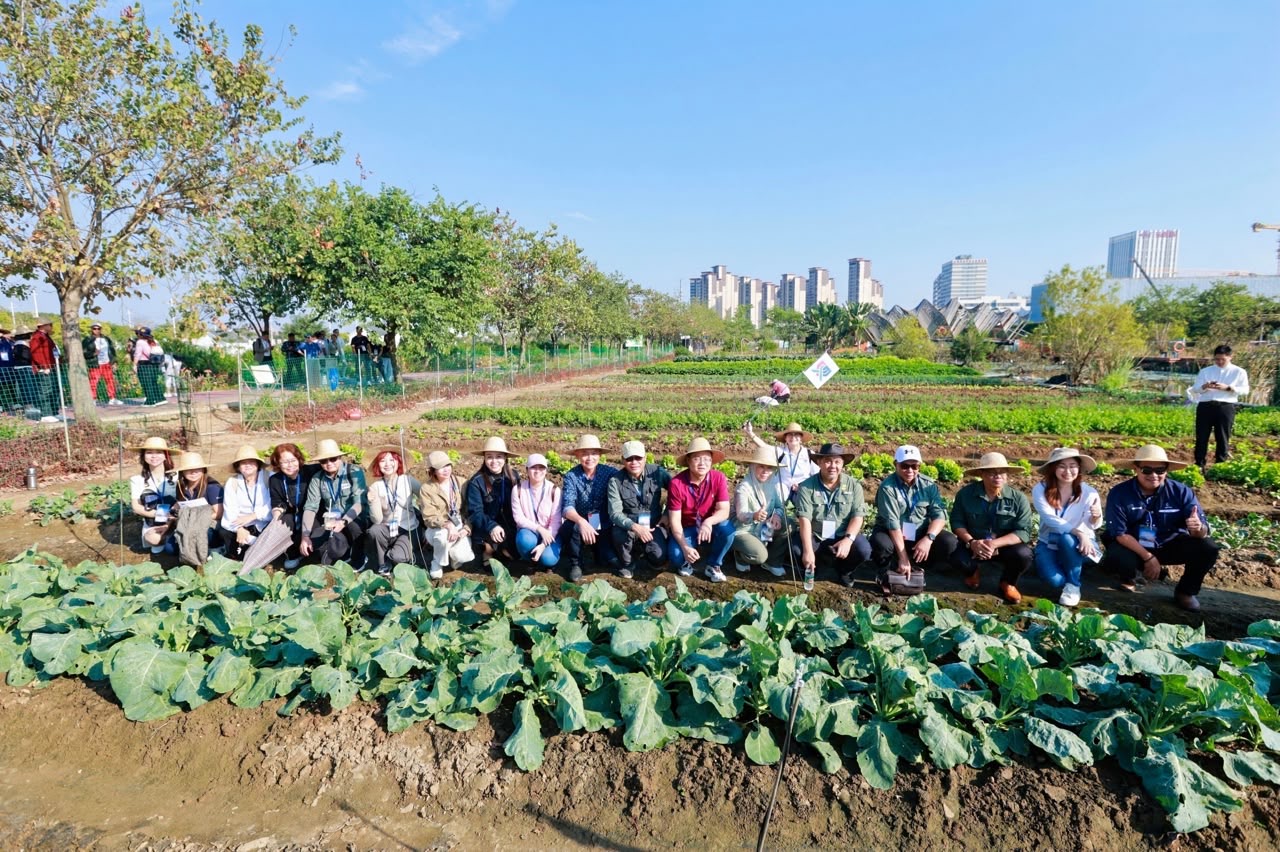
GUANGZHOU: Sabah is looking at adopting China’s community garden concept to encourage more residents, particularly those living in condominiums and apartments, to participate in urban farming through the State’s Kitchen Garden (Kebun Dapur) initiative.
Sabah Agriculture, Fisheries and Food Industry Minister Datuk Jamawi Jaafar said the concept, which provides designated farming plots for residents without their own land, was among the initiatives that impressed him during the visit.
He said residents could grow their own vegetables after work or during weekends, in line with Sabah’s efforts to expand community participation in food production.
Jamawi said discussions had been held with Kota Kinabalu City Hall (DBKK) to explore the possibility of utilising idle land owned by the local authority and converting it into community farming plots.
The initiative would be explored jointly by the relevant Malaysian agricultural and food industry agencies (MAPI) and DBKK.
Efforts were also being made to introduce the Kitchen Garden concept within the premises of departments and agencies under the ministry.
He said the visit had also provided the delegation with insights into China’s application of biotechnology and research innovation to enhance the value and market competitiveness of agricultural products.
Citing examples showcased at the park, Jamawi said high-value crab products and poultry farming technologies demonstrated how scientific research and technological applications could increase the value of agricultural products and improve the incomes of farmers and livestock breeders.
He said Sabah had many young entrepreneurs with the financial resources and investment capabilities to venture into the sector.
By combining government initiatives with private-sector capital, technology and business networks, he said, Sabah could accelerate the development of its agriculture, fisheries and food industries.
Jamawi also expressed appreciation to Malaysia-China Chamber of Commerce (MCCC) Sabah for organising the visit, which gave business representatives from various sectors firsthand exposure to China’s modern agricultural development and opportunities to explore further Malaysia-China cooperation in agriculture and the food industry.