

T C Goh
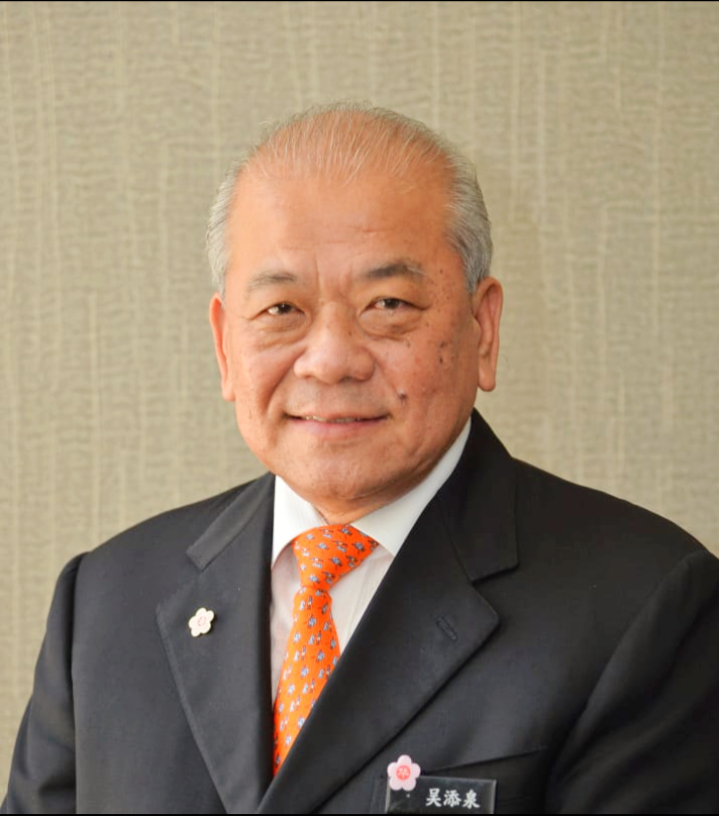
KOTA KINABALU: The Federation of Chinese Associations Malaysia (Huazong) President Tan Sri T C Goh agrees that Sabah’s marine resources have not been fully tapped into and need enhancement.
He hopes that the Federal and State Governments, in collaboration with the private sector, will thoroughly explore and emulate the durian export strategy to export Sabah’s seafood to international markets.
He pointed out that the common key point between seafood and durian exports is that the more delicious and fresh they are, the higher their value.
“Transport Minister Anthony Loke has also previously suggested using Hong Kong International Airport, as a transit hub, to airlift Sabah’s famous seafood, such as tiger prawns and grouper, to international markets. This is a proposal worthy of serious consideration by the Government and relevant industry players,” he said.
He pointed out that currently, besides catering for domestic consumption, seafood from the state is also supplied to Peninsular Malaysia, Singapore and China. However, if the aim is to further expand into overseas markets, in addition to the Government efforts, there is also a need for collaboration with the private sector to fully develop deep-sea fishing industries.
Goh also urged the Federal Government to provide full support for the Sabah Bue Economy sectors, especially the deep-sea fishing industry, which has great potential. He also called for enhancement of logistics, including air transport, to ensure that Sabah’s seafood can be exported fresh and reach international markets faster.
He said both local and international tourists enjoy the affordable and high-quality seafood in Sabah, which has made the state one of the country’s renowned destinations for “food tourism.”
Goh, who is also the President of the Federation of Chinese Associations Sabah (FCAS) said this in a statement today.
Goh noted that while Sabah has abundant marine resources and over 3,000 fishing vessels involved in the fishing industry, most operations are confined to shallow waters within 30 nautical miles from the shore, and deep-sea operations still require significant improvement.
He thus called on the Government and the private sector to work together to introduce and train people in using advanced fishing technologies and equipment, with the aim of developing deep-sea fishing industries in a more professional and corporate approach.
He also highlighted that in 2021, the Federal Government, in accordance to the 1963 Malaysia Agreement (MA63), delegated deep-sea fishing rights to the East Malaysian governments, including Sabah. This allows the Sabah Government, through the Sabah Fisheries Department, to have full autonomy, including issuing deep-sea fishing licenses and fishing equipment permits.
He also called on the Federal and State Governments to collaborate and encourage private sector participation to fully develop the Sabah Blue Economy.