

T C Goh
KOTA KINABALU: The Federation of Chinese Associations Sabah (FCAS) welcomed the Sabah State Government’s projected 4 per cent economic sustainable growth in next year’s surplus budget and called for the adoption of more effective strategies to increase development expenditure, without impacting revenue, thereby stimulating socio-economic growth.
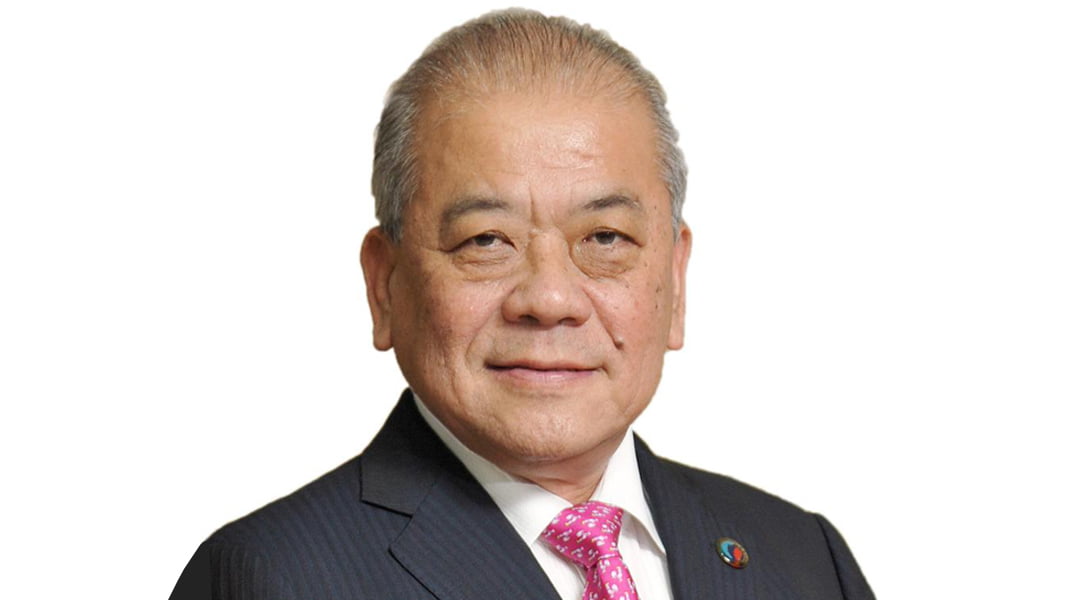
It’s President Tan Sri T C Goh, who is also a member of the Sabah Economic Advisory Council (SEAC), expressed optimism that with a steady economic recovery post Covid-19, coupled with the visa-free entry policy for travelers from 12 nations introduced by the Federal Government, and the overseas trade mission conducted by Sabah Chief Minister and relevant ministers recently to attract foreign direct investments (FDIs) and participants of Sabah Malaysia My Second Home Programme (SMM2H), economic growth poise to be promising next year.
Notwithstanding, he also hoped the State Government could strive to implement the following “five guarantees”:
* Strive to maintain financial surplus for the state and to increase development expenditure to drive the economy.
* Strive to ensure uninterrupted electricity and water supply as they are fundamental for all development and daily activities.
* Strive to preserve Sabah’s diverse multicultural harmony and to ensure fair governance, which is a prerequisite for building a “Happy Sabah” and attracting foreign investment and global tourists.
* Ensure continuous efforts to secure Sabah’s rights under the federal constitution, including the 40pc net tax revenue.
* Ensure continuation of ongoing funding, including allocations for non-Muslim religious groups, church schools, national schools and private schools, including the Chinese community, and to increase the amount when it’s necessary.
Goh, who is also President of the Federation of Chinese Associations Malaysia (Huazong), acknowledged the positive aspects of the state budget, particularly the State Government’s focus on industrial, agricultural, tourism and infrastructure development. He appreciated the surplus budget of RM 35.87 million, despite a 72.5pc decrease from the previous year’s budget of RM130 million, considering the overall budget increase.
“As compared to the deficit budget tabled by the Federal Government for many years, Sabah’s surplus budget obviously reflected well on State Government’s prudent financial management,” he said in a statement today.
He noted that the state has proposed an estimated revenue of RM5.737 billion, an increase of RM 469 million as compared to the previous year, and an estimated supply expenditure of RM5.701 billion under its budget for next year, an increase of RM563 million, as compared to the previous year’s RM5.138 billion.
Acknowledging the State Finance Minister Datuk Seri Masidi Manjun’s concern over the state’s financial constraints, he urged the State Government to formulate a strategic timetable to address the imbalance between supply and development expenditures.
While he welcomed the Federal Government’s RM300 million special allocation to Sabah recently, Goh also reiterated his support to the State Government’s continued efforts to secure Sabah’s constitutional rights, including the long overdue 40pc tax revenue owed to the state.
He also expressed optimism of the state resolving water and power shortages within two to three years through such much-awaited initiatives like construction of new water treatment plants, dams and implementing renewable energy projects.
He also praised the State Government’s allocation of RM813.56 million for agriculture, industry and tourism development, along with additional funds of RM124.06 million for industrial parks to improve their amenities to better attract foreign investors, and RM150 million in aid of small businesses, describing it as positive steps toward accelerating development in various sectors.
However, he opined that the RM18 million worth of incentives allocated for paddy cultivation might be insufficient to support the state’s efforts to achieve self-sufficiency in rice production and reduce reliance on rice import.
He also urged the State Government to step up effort to boost research and incentives for high-value crops like dry and mountain rice.
Goh, who is also President of the Federation of Sabah and Labuan Hokkien Associations (FSLHA), also opined that besides boosting cultivation of wet paddy, the State Government should also encourage farmers to plant dry paddy and hill paddy which are of higher value.
In addition, he also emphasised the need to strengthen both large-scale cattle farming and pig farming plans, so as to ensure sufficient and stable meat supply for non-Muslim communities in the state.