

(GUANGZHOU): Sabah has significant potential to further develop its blue economy by leveraging advanced technology, industry integration and market expansion, given its abundant marine and fisheries resources.
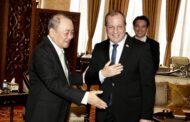
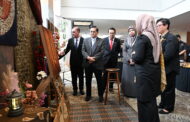
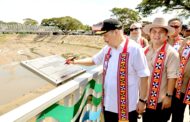
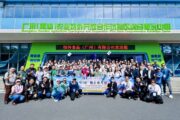
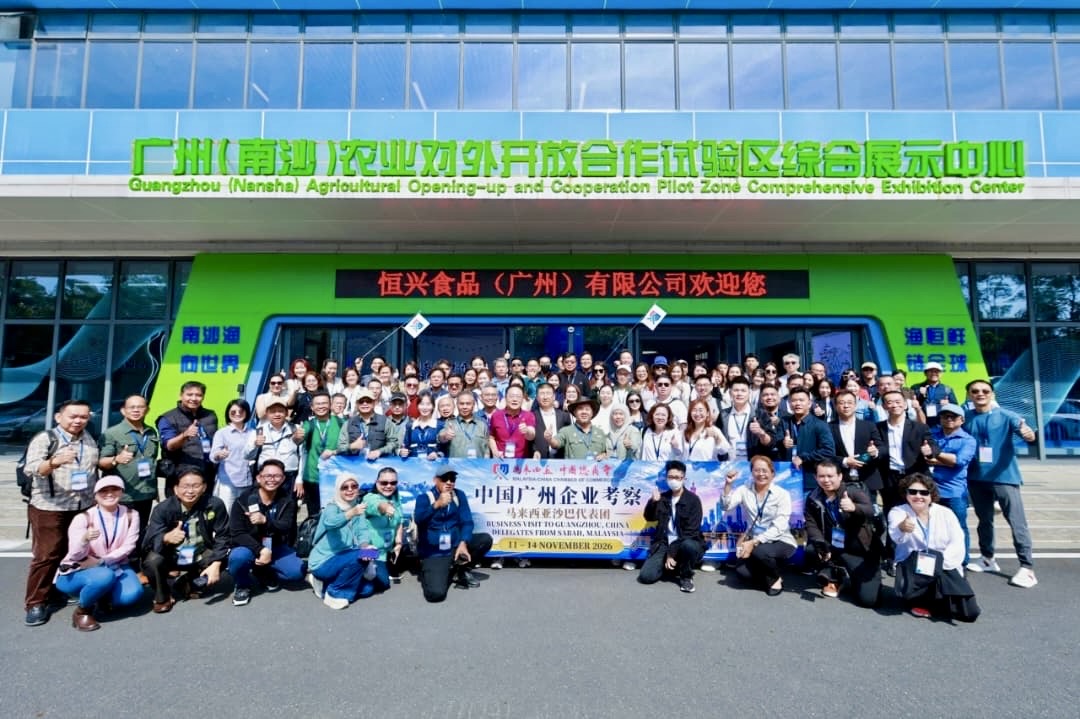
Malaysia-China Chamber of Commerce (MCCC) Sabah Chairman Datuk Dexter Lau said the Sabah Government and business delegation’s visit to Nansha District in Guangzhou, China, to explore modern fisheries and urban agriculture development models had provided valuable insights and ideas for the future development of the State’s fisheries industry.
He said Sabah had been allocated about 50 acres of land in Numbak, Sepanggar, for fisheries-related facilities, describing the proposed development as an important starting point for upgrading the industry.
Lau said Nansha’s modern fisheries industrial park offered valuable lessons as its development model went beyond aquaculture and production to integrate education and training, technology research and development, industry development and marketing into a comprehensive industrial ecosystem.
He said Sabah could adopt a similar approach by developing Numbak into a One-Stop Fisheries Development Centre, integrating aquaculture, research and development, talent training, product processing and marketing to establish a more comprehensive industry value chain.
Integrating the fisheries value chain
Lau said modern fisheries development should not be confined to aquaculture activities alone but should cover the entire process, from production to the end market.
He said every stage, from fish fry supply, aquaculture management and pond water quality monitoring to harvesting, processing, marketing and food services, offered significant development potential.
By integrating these activities, Sabah could improve production efficiency while enhancing the value of its fisheries products.
He said Sabah should also explore opportunities to introduce advanced technologies and expertise while strengthening exchanges with Chinese industry players to identify cooperation models suited to local conditions.
Lau stressed that fisheries development required the participation of professional organisations across different sectors, rather than relying solely on the Government or individual businesses.
He cited restaurant associations and culinary organisations as potential partners in developing seafood products through signature dishes, culinary training and the promotion of locally produced seafood to the food and beverage market.
Such collaboration would help establish an integrated industrial ecosystem connecting production, processing and consumption.
He said this cross-sector approach was worth adopting in Sabah, as modern industry development required the integration of technology, talent, products and markets to generate greater economic value.
Lau also expressed interest in Nansha’s ornamental fish breeding and marketing activities, describing them as another potential area for Sabah to explore in diversifying its fisheries industry.
MCCC Sabah to facilitate business links
Lau said MCCC Sabah should play a more proactive role in supporting the State’s economic development by helping the Government and relevant agencies establish connections with Chinese businesses, introduce advanced technologies and identify potential business partners and market opportunities for local companies.
He stressed that economic development should not focus solely on financial investment, but also on leveraging local resources, developing competitive products and bringing Sabah’s quality products to wider markets.
“We are not just talking about money; we are talking about resources and products. We must consider how to bring the best of Sabah to the outside world, so that more people can recognise what Sabah has to offer while creating more opportunities for our people.”
He said Sabah had abundant resources and development potential, with the key being to adapt suitable technologies and business models to local conditions.
With close collaboration among the Government, businesses and industry organisations, he believed Sabah could generate more employment opportunities, expand market access and create new business prospects.
Jamawi: Adopt advanced technologies to boost blue economy
Meanwhile, Agriculture, Fisheries and Food Industry Minister Datuk Jamawi Jaafar said the visit had enabled the delegation to gain a deeper understanding of modern aquaculture and fisheries development, particularly Nansha’s experience in industry integration and technology application.
He said the experience offered valuable references for Sabah’s future development, especially as the State Government planned to relocate the relevant fisheries institution from the city centre to Numbak.
The approximately 50-acre site could serve as a development base, with opportunities to explore the introduction of advanced technologies and industry expertise from Nansha.
Jamawi said Sabah should look beyond its existing fish fry breeding activities and further develop crab aquaculture, processing and other fisheries-related industries to progressively establish a complete value chain from production to marketing.
He said these initiatives were in line with the blue economy objectives under the Sabah Maju Jaya (SMJ) development agenda, which aimed to strengthen the competitiveness of Sabah’s fisheries industry and inject new impetus into the State’s economic growth.
The visit to Nansha had opened up opportunities for further exchanges and cooperation between Sabah and relevant Chinese industry players, while providing the delegation with more concrete ideas on advancing modern fisheries, integrating industry resources and expanding into regional markets.