

KOTA KINABALU: Sabah Tourism Board (STB) will establish a dedicated crisis response unit as part of efforts to safeguard the state’s tourism industry amid growing global uncertainties, particularly the ongoing Middle East conflict and rising operational costs.
The unit will be headed by STB Chief Executive Officer Julinus Jeffery Jimit, assisted by Deputy Chief Executive Officer Humphrey Ginibun, who will assume the role of Chief Strategy Officer as part of an ongoing organisational restructuring to oversee planning, coordination and response measures across the tourism sector.
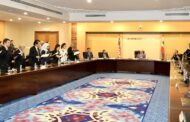
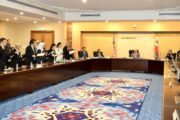
The move was deliberated during an STB Board meeting chaired by Assistant Minister to the Chief Minister and STB Chairman Datuk Joniston Bangkuai here Tuesday, following concerns over external factors that could impact travel demand, airline operations and market stability.
The Tourism Crisis Response Unit will report directly to the Board of Directors to ensure close oversight and that members are kept fully informed of developments and strategic decisions.
Joniston acknowledged that while Sabah’s tourism industry is on a recovery path, the global operating environment is becoming increasingly volatile.
He said geopolitical tensions, particularly in the Middle East, could influence both international and domestic travel patterns, fuel prices and airline route planning, with potential knock-on effects on Sabah’s connectivity and visitor arrivals.
“As a destination with strong international linkages, we must stay alert and respond proactively. These developments require close monitoring and continuous engagement with airlines and industry players,” he said.
The crisis response unit will focus on formulating strategies to mitigate external shocks, including fluctuations in fuel prices, while ensuring Sabah remains competitive, accessible and attractive to both international and domestic markets.
It will also facilitate regular engagement sessions with key stakeholders, including hoteliers, airlines and tour operators, to strengthen coordination, align messaging and enable quicker response to emerging challenges.
Recognising the need to strengthen internal resilience, STB will intensify its focus on the domestic market as a stabilising force given the current global uncertainties.
Meanwhile, the Board also proposed the formation of a Joint STB–Kota Kinabalu City Hall (DBKK) Tourism Development and Marketing Committee to enhance coordination in developing and promoting tourism products in the state capital.
The committee will identify new attractions, strengthen existing offerings and ensure more cohesive marketing efforts for Kota Kinabalu as a key gateway to Sabah.
“We cannot afford to work in silos. Our strategies must be coordinated and aligned with industry players, airlines and communities. With Visit Sabah 2026 ahead, we need to move forward in a focused and united manner,” he said.